"I've seen longevity shift from being a movement into being an industry."
$4.1 billion invested in 2022 so far, beating the amount for all of 2021

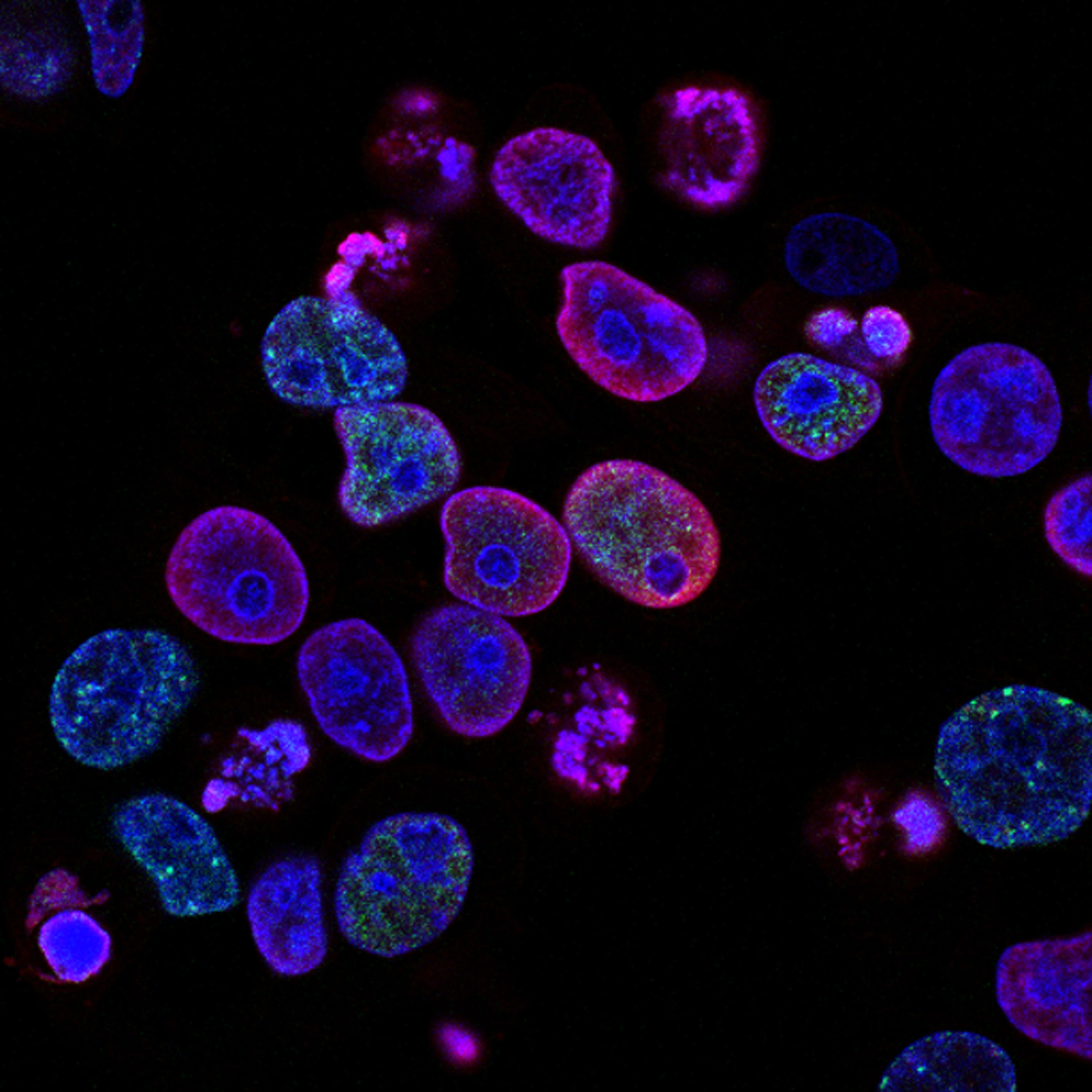
(Photo credit: National Cancer Institute on Unsplash)
It’s almost impossible not to turn up a new article every week — sometimes, every day — about a new fundraising round, or a new company being formed, in the longevity biotech sector.
I’ve written here before about this trend, and have occasionally presented some good aggregators and score-keepers of what’s going on, but this interview with Phil Newman, founder of Longevity.Technology, is particularly interesting. Founded in 2019, It’s an information portal offering everything from investment research to consumer education.
“I felt there was an opportunity to launch a news platform to address both the scientific and commercial progress that was staring to happen to build confidence with investors and help those in the sector feel that they were part of something defined,” Newman told the interviewer. Then the money quote:
“Over these four years I’ve seen longevity shift from being a movement into being an industry.”
Newman identifies four components, or “domains,” to longevity:
Prevention - preventing damage that causes aging
Diagnostics - early identification of aging damage
Treatment - treating the damage that has occurred
Renewal - reversing the damage that has occurred
Within these four domains, Newman’s team follows 500 “longevity-specific” companies to identify and track “the technology readiness and investment traction that these companies are making.” In effect, they’re creating an industry framework and analytical structure similar to other major legacy industries.
Some highlights of the findings to date:
So far in 2022, investment has reached $4.1 billion, beating all of 2021 ($3.8 billion) and more than double what was invested in 2020 ($1.8 billion)
Data “suggests that lowering mortality and frailty at every age, to increase life expectancy…is estimated to be worth $37 trillion in net present value terms; that’s $77 billion annually.
The biggest areas of growth
Cellular rejuvenation
Tissue engineering (to build new tissues and new organs that could replace injured or damaged ones)
Mitochondrial rejuvenation
Pet longevity - because costs and research timelines are so much shorter, and learnings can offer transfer to humans
Longevity supplements - not just as “in general” nutrients, but specifically to act on “aging pathways or longevity determinants”
Senolytics - to target or eliminate senescent cells to prevent age-related diseases
Diagnostics - especially moving into individualized results for more accurate assessment of how the body is aging
One interesting issue mentioned in the article, that I hadn’t really thought about before, is that “aging” itself is still not recognized as a disease by the US FDA and as a result, “traditional pharmaceutical financial models still cannot be applied to longevity biotechs.”
But Newman is optimistic: “We will see FDA-funded therapeutics coming out of longevity biotechs, but in addition, their work is enabling a better understanding of aging pathways and how they can be controlled, thus leading to newly recognised endpoints. Sarcopenia, the loss of skeletal muscle mass and strength as a result of aging, is a recently recognised disease and there are companies working on sarcopenia therapeutics that will ultimately have an exit route for their investors: so we’ll see yet more age-related conditions recognised as interventions become validated.” He believes that “we’ll see public health bodies like the FFA or the UK NHS approving longevity therapeutics within seven years, that either top or reverse age-related decline.”
Seven years? Maybe that should have been the money quote.